WhatsApp

DOING HOLDINGS
Environmental Protection Equipment Manufacturer

Environmental Protection Equipment Manufacturer
New Zealand's solar market has been growing steadily, driven by the government's 100% renewable electricity target for 2030. As more homes, businesses, and solar projects adopt renewable energy, the demand for solar panel recycling New Zealand solutions is also expected to increase. But panels don't last forever—typically 25 to 30 years—and while the waste stream isn't huge yet, it's coming. As more renewable energy systems reach the end of their service life, New Zealand will need more effective solutions to manage future solar panel waste. And because they contain valuable materials like aluminium, copper, silicon, and silver, recycling them makes sense—not just for the environment, but also creates opportunities for the development of local end-of-life solar panel solutions in NZ.
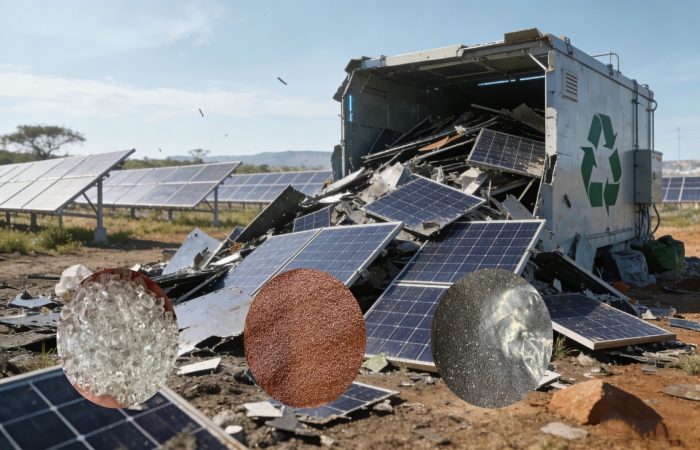 Recycling end-of-life solar panels in NZ
How New Zealand Has Been Handling End-of-Life Solar Panels
Right now, New Zealand doesn't have much in the way of local recycling infrastructure for solar panels, some end-of-life panels are transported overseas for recycling due to the limited local recycling capacity, which makes professional end-of-life solar panel solutions in NZ increasingly important. Some end-of-life panels are transported overseas for recycling due to the limited local recycling capacity. That's not ideal for a few reasons. Shipping costs are high, and it adds to the carbon footprint of what's supposed to be clean energy. Plus, when you send materials offshore, you lose the chance to recover their value locally.
Although some recycling initiatives are already underway to collect solar panels and recover materials such as aluminum, silicon, and glass, the overall scale remains quite limited. A few resource consents for solar farms also now require decommissioning plans that include recycling or reusing as much material as possible, but there's still no nationwide system in place . Most unused or end-of-life solar panels ultimately end up in landfills—resulting in a massive waste of resources.
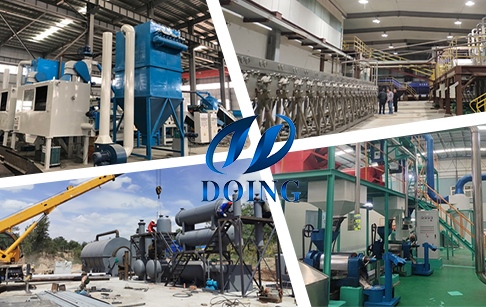
At HENAN DOING, we've been working on exactly this problem. We provide professional photovoltaic panel recycling equipment and better ways to handle end-of-life solar panels in New Zealand. Our photovoltaic panel recycling equipment is designed to recover valuable materials efficiently, so customers can get the most out of every panel they process. We have three main recycling solutions available, and the right one for you really depends on your raw material supply, the types of panels you're dealing with, and your investment budget.
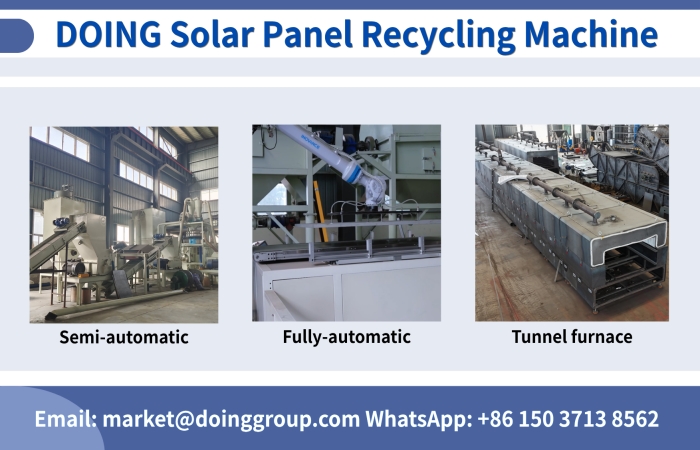 DOING photovaltaic panel recycling machine
1.Semi-Automatic Line
This is a straightforward, cost-effective option. It uses a purely physical multi-stage crushing and separation process. It handles single-glass panels well and delivers a high recovery rate, making it a practical choice for businesses starting solar panel recycling in New Zealand. The whole system is equipped with pulse dust collection, so it runs clean without generating waste water or requiring chemical treatment.—making it easier to meet environmental standards. You only need 2 to 3 people to operate it, which keeps labour costs down. It's a solid choice if you're just getting started or if your panel supply isn't always consistent.
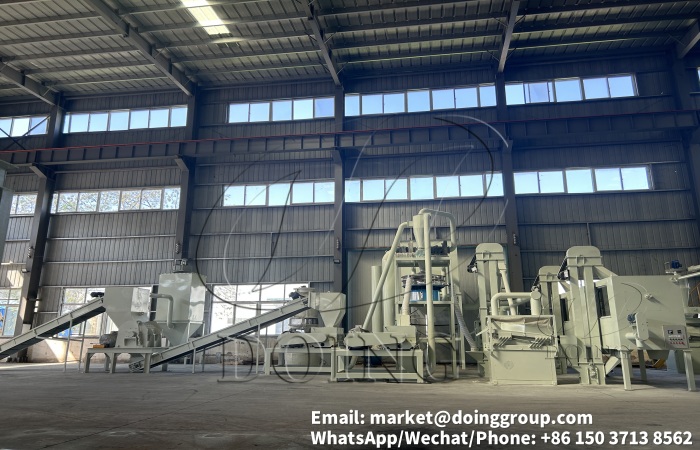 Recycling equipment for waste solar panels
2. Fully Automatic Line
This builds on the same physical recycling method but takes automation further. It also handles single-glass panels, but with a larger processing capacity and higher efficiency. The PLC control system minimizes manual intervention, so you get consistent output with fewer workers. Like the semi-automatic version, it includes pulse dust filtration and operates without generating waste gas or wastewater. It recovers silicon powder, glass particles, and copper powder, making this type of photovoltaic panel recycling equipment suitable for operations with a stable supply chain and larger volumes.
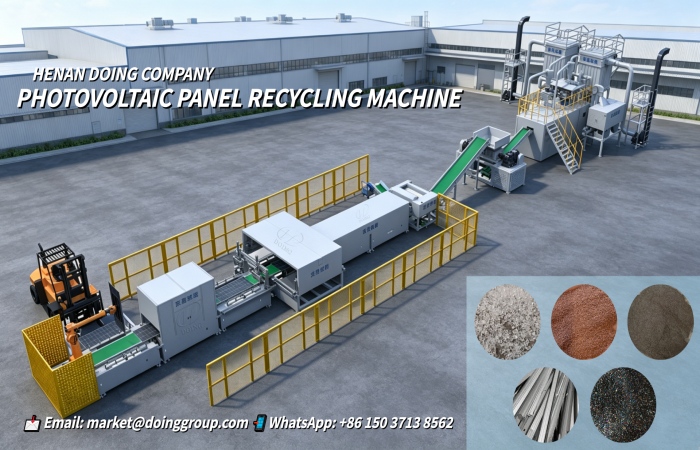 Fully automated photovoltaic panel recycling production line
3.Tunnel Furnace Line
Now, this one is different. It uses a pyrolysis process and can handle both single-glass and double-glass panels—which are becoming more common in the market. Instead of crushing everything into powder, it thermally breaks down the EVA layer at around 500°C, allowing the recovery of intact silicon wafers, complete glass sheets, and copper ribbons. The processing capacity is much larger, making it ideal for industrial-scale recycling. The trade-off is that it requires a higher upfront investment and more energy, and you'll need additional exhaust treatment equipment to manage the gas emissions. It's a good fit if you have strong financial capacity and a high proportion of double-glass panels in your waste stream.
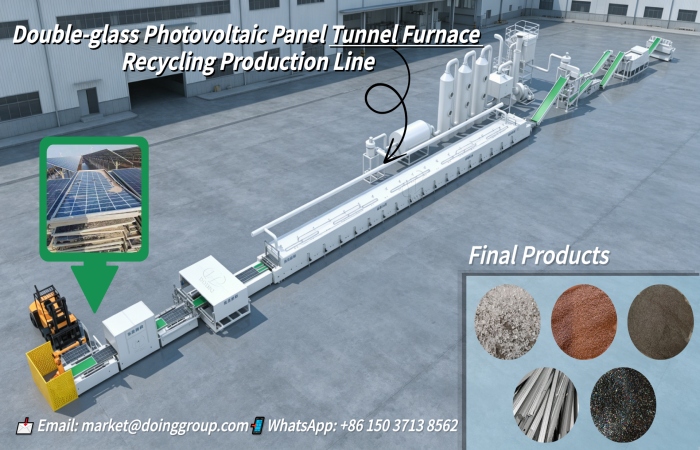 Pyrolysis of photovoltaic panels in a tunnel furnace
| Solar Panel Rcycling Machine | |||
| Name | Model | Processing Capacity | Equipment Dimensions |
| Semi-Automatic | DY-S-900 | 700–900 kg/h | 28,200 × 6,730 × 5,000 mm |
| Fully Automatic | DY-L-1200 | 1,000–1,200 kg/h | 38,200 × 6,100 × 5,200 mm |
| Tunnel Furnace | DY-T-2000 | 1,500–2,000 kg/h | 74,000 × 10,000 × 6,800 mm |
So which one is right for you? If you're on a tighter budget and starting small, the semi-automatic line is a sensible first step. If you have steady supply and want higher throughput, the fully automatic line gives you more efficiency without the complexity of thermal processing. And if you're processing large volumes, especially with double-glass panels, the tunnel furnace is the way to go—just be prepared for the higher investment.
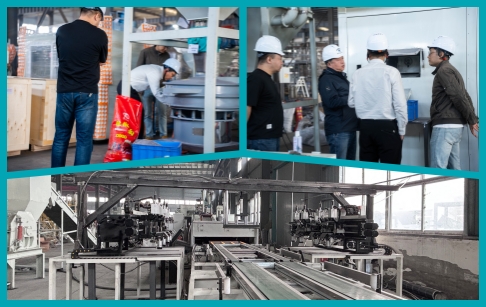
HENAN DOING has been manufacturing recycling equipment for years and provides complete photovoltaic panel recycling equipment for customers worldwide. Our factory in Jiaozuo covers over 40,000 square metres, and we keep prototypes available for customer testing. Each of our systems is designed to recover over 95% of panel materials. The mechanical recycling lines use a dry physical separation process without chemical treatment. For tunnel furnace systems, we provide suitable exhaust treatment solutions according to project requirements.
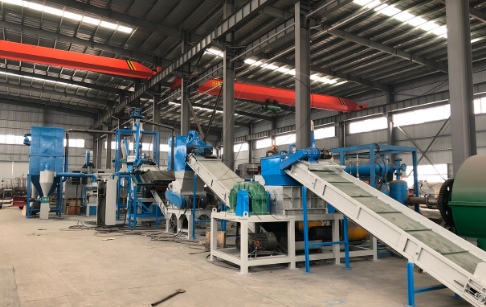
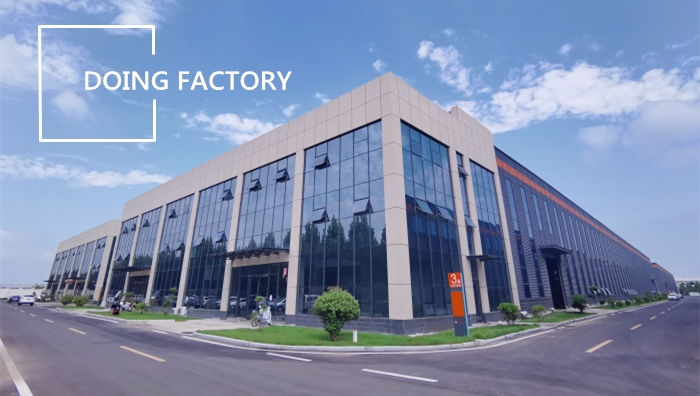 DOING equipment manufacturing plant workshop
If you're looking at setting up solar panel recycling in New Zealand, we'd be happy to talk through your options. Drop us a message with your raw material type, expected capacity, and panel mix—we'll help you figure out which solution fits best. The waste stream is only going to grow, and getting your setup right from the start makes all the difference. Let's work together to turn end-of-life panels into a resource, not a problem.
 What's Better for End-of-Life Solar Panels: Mechanical Recycling or Pyrolysis?
How to make charcoal briquettes from agricultural waste?
Why Is It Not Recommended To Mix Different Types Of Lithium Batteries Together For Recycling?
Which countries offer policy support for the solar panel recycling business?
How The EU Battery Regulation Impacts Lithium Battery Recycling Startups?
What is the most environmentally friendly way to dispose of batteries?
What's Better for End-of-Life Solar Panels: Mechanical Recycling or Pyrolysis?
How to make charcoal briquettes from agricultural waste?
Why Is It Not Recommended To Mix Different Types Of Lithium Batteries Together For Recycling?
Which countries offer policy support for the solar panel recycling business?
How The EU Battery Regulation Impacts Lithium Battery Recycling Startups?
What is the most environmentally friendly way to dispose of batteries?