WhatsApp

DOING ECO
Environmental Protection Equipment Manufacturer

Environmental Protection Equipment Manufacturer
A lithium battery recycling machine can reduce fire risks through low-oxygen shredding protection, proper battery pretreatment and effective dust collection. However, no machine eliminates every safety risk.
The main concerns are residual battery energy, thermal runaway during shredding and combustible dust. Before choosing lithium battery recycling equipment, buyers should check the protection systems, operating controls and safety requirements for their battery types.
Residual battery energy: Batteries may retain electrical energy or contain damaged cells that can trigger internal short circuits and thermal runaway.
Fire during shredding: Crushing or cutting can damage cells and generate heat, creating a risk of fire. Appropriate pretreatment and a controlled shredding environment are essential.
Combustible dust: Crushing and separation generate black mass and fine particles. Effective lithium battery dust control helps prevent dust escape and addresses potential dust-related hazards.
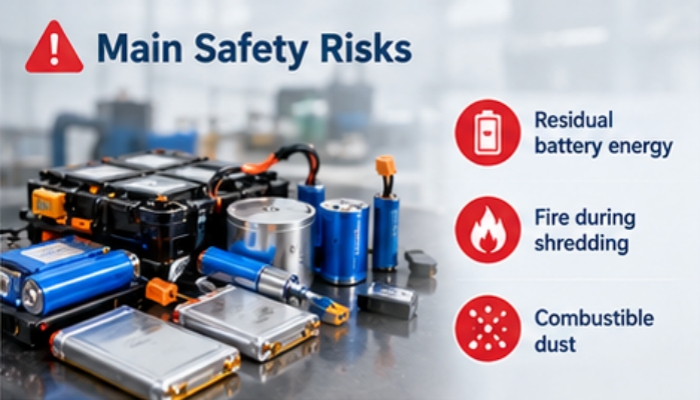 Safety risks of lithium battery recycling
These risks make the shredding environment, oxygen control and dust collection key factors in lithium battery recycling machine safety.
1. Battery pretreatment
Battery chemistry affects the required pretreatment route. In a specifically configured low-oxygen system, LFP batteries may be processed without a separate discharge step, while NCM/NCA batteries require discharge or an approved state-of-charge reduction procedure before shredding. The permitted process should be confirmed for the exact equipment configuration.
2. Sealed low-oxygen shredding protection
Check whether the lithium battery recycling machine uses a sealed shredding chamber with nitrogen inerting. Reducing oxygen concentration inside the chamber helps limit conditions that support combustion.
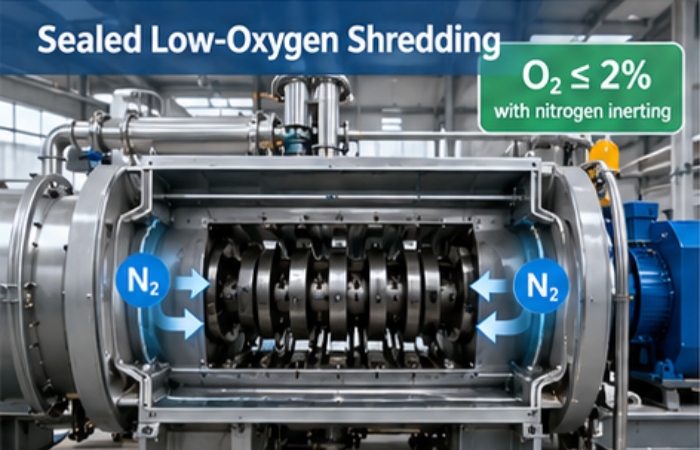 Lithium battery recycling shredding system
3. Dust collection
Check the dust collector, collection points and maintenance requirements. Where combustible dust is present, ask how the system addresses explosion risks. Dust collection should be assessed alongside other safety measures, not treated as a standalone solution.
4. Process and emergency controls
Confirm which functions are covered by the PLC system. Ask about alarms, interlocks, emergency stops and fire-protection measures, and verify each feature in the technical specifications.
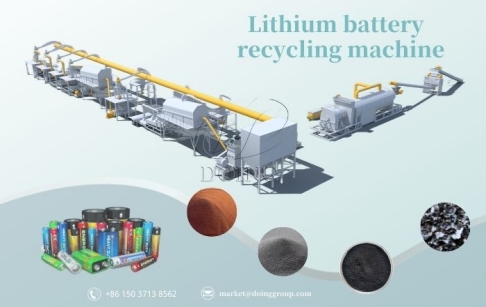
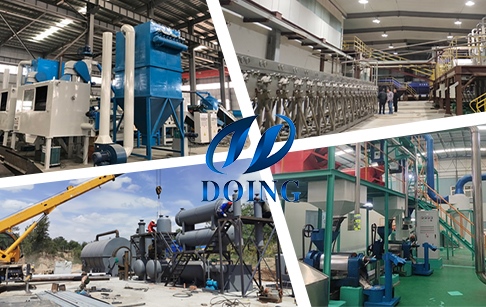
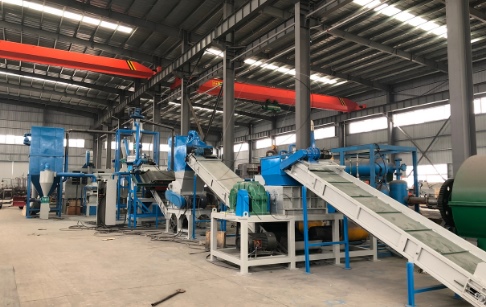
DOING ECO (Henan DOING) provides lithium battery recycling equipment for end-of-life power batteries and energy storage batteries.
A key safety feature is its sealed low-oxygen control system. The shredding chamber uses a fully sealed design combined with nitrogen inerting to maintain the oxygen concentration inside the chamber at ≤2%. This controlled low-oxygen environment helps reduce the risk of combustion during battery shredding.
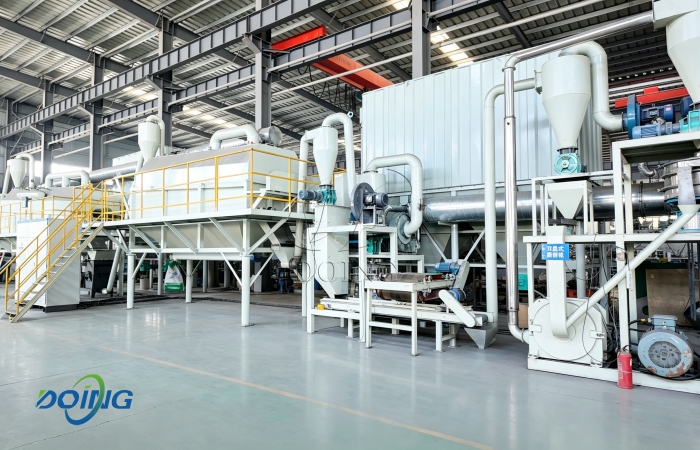 DOING ECO lithium battery recycling machine
The equipment line also uses dry crushing and multi-stage physical separation, with PLC automatic control and pulse dust collection. These systems support controlled processing and help manage dust generated during recycling.
The right lithium battery recycling machine depends on battery chemistry, incoming material condition and processing capacity. Buyers should confirm the proposed configuration, pretreatment requirements and included safety features before placing an order.
No. Equipment protection must be combined with safe site management.
Facilities need appropriate battery storage, proper handling of damaged cells, routine inspections, employee training and emergency procedures. Operators should know how to respond to abnormal heating, smoke or other warning signs. The facility must also meet applicable local safety requirements.
A safe lithium battery recycling machine needs more than one protective feature. Battery pretreatment, sealed low-oxygen shredding, dust collection and process controls must work together. The right configuration also depends on battery chemistry, feedstock condition and processing capacity.
DOING ECO's sealed shredding chamber maintains an oxygen concentration of ≤2% through nitrogen inerting, providing a specific safety feature for buyers to evaluate when selecting lithium battery recycling equipment.
Planning a lithium battery recycling project? Contact DOING ECO with your battery type, expected processing capacity and feedstock condition. Our team can help assess a suitable recycling line and confirm the safety features and technical specifications required for your project.
Buyers should request the specified oxygen measurement method, operating conditions and acceptance criteria. The supplier should clarify how the shredding chamber's oxygen concentration is verified and what procedures apply if the target is not maintained.
Not by default. Damaged, swollen or leaking batteries require separate assessment and appropriate handling. Buyers should confirm the supplier's feedstock acceptance criteria and isolation procedures before processing these batteries. OSHA also identifies mechanical damage and thermal runaway as important lithium-ion battery hazards.
DOING ECO's equipment supports lithium iron phosphate (LFP), ternary lithium and lithium cobalt oxide batteries. Processing parameters may need adjustment when changing battery types. Buyers should confirm the required settings and whether separate batches and line cleaning are necessary.
 Is Dry Physical Separation Suitable for Lithium-Ion Battery Recycling?
Are There Alternatives to Pyrolysis for Recycling Waste Lithium Batteries?
What's Better for End-of-Life Solar Panels: Mechanical Recycling or Pyrolysis?
How to make charcoal briquettes from agricultural waste?
Why Is It Not Recommended To Mix Different Types Of Lithium Batteries Together For Recycling?
Which countries offer policy support for the solar panel recycling business?